From One Founder to Another
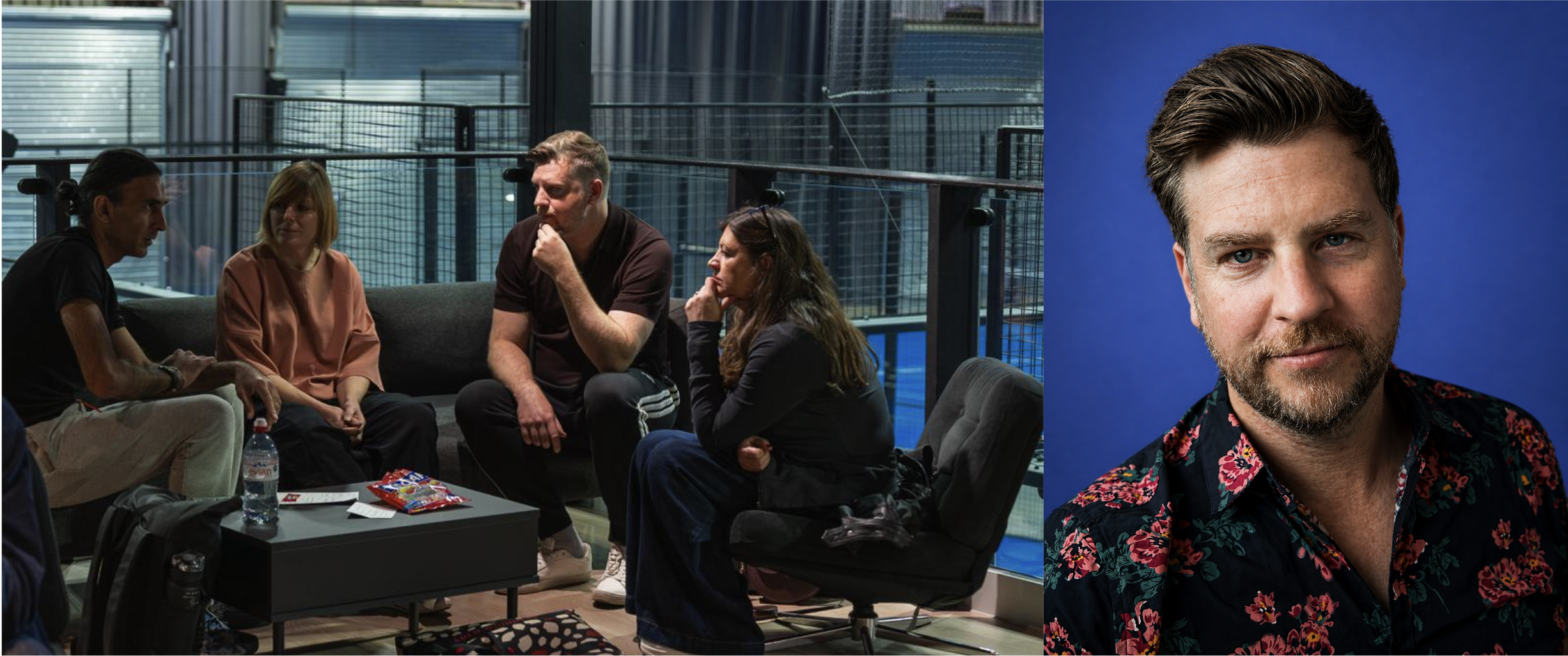
What building Polar London has really taught me
Alex Birch. Founder and CEO of Polar London: Over the past year, I’ve found myself being asked more questions than usual. Founder lessons scaling a business.
Through podcasts, award entries, and interviews with publications like The Executive’s Diary, as well as conversations with people like James Caan, there’s been a growing interest in the journey. The decisions, the lessons, the brands and founders we’ve been lucky enough to work with, and how it’s all shaping what we’re building at Polar.
There’s more of that content to come.
But it’s made me reflect.
Because if I’m honest, part of me still feels like I’m figuring it out in real time. There’s always a level of imposter syndrome in building something from scratch, especially in a space that’s changing as quickly as ours.
So rather than talk about “success”, I thought it would be more useful to share a few things I’ve learned, from one founder to another.
Consistency is less exciting than you think, but far more powerful
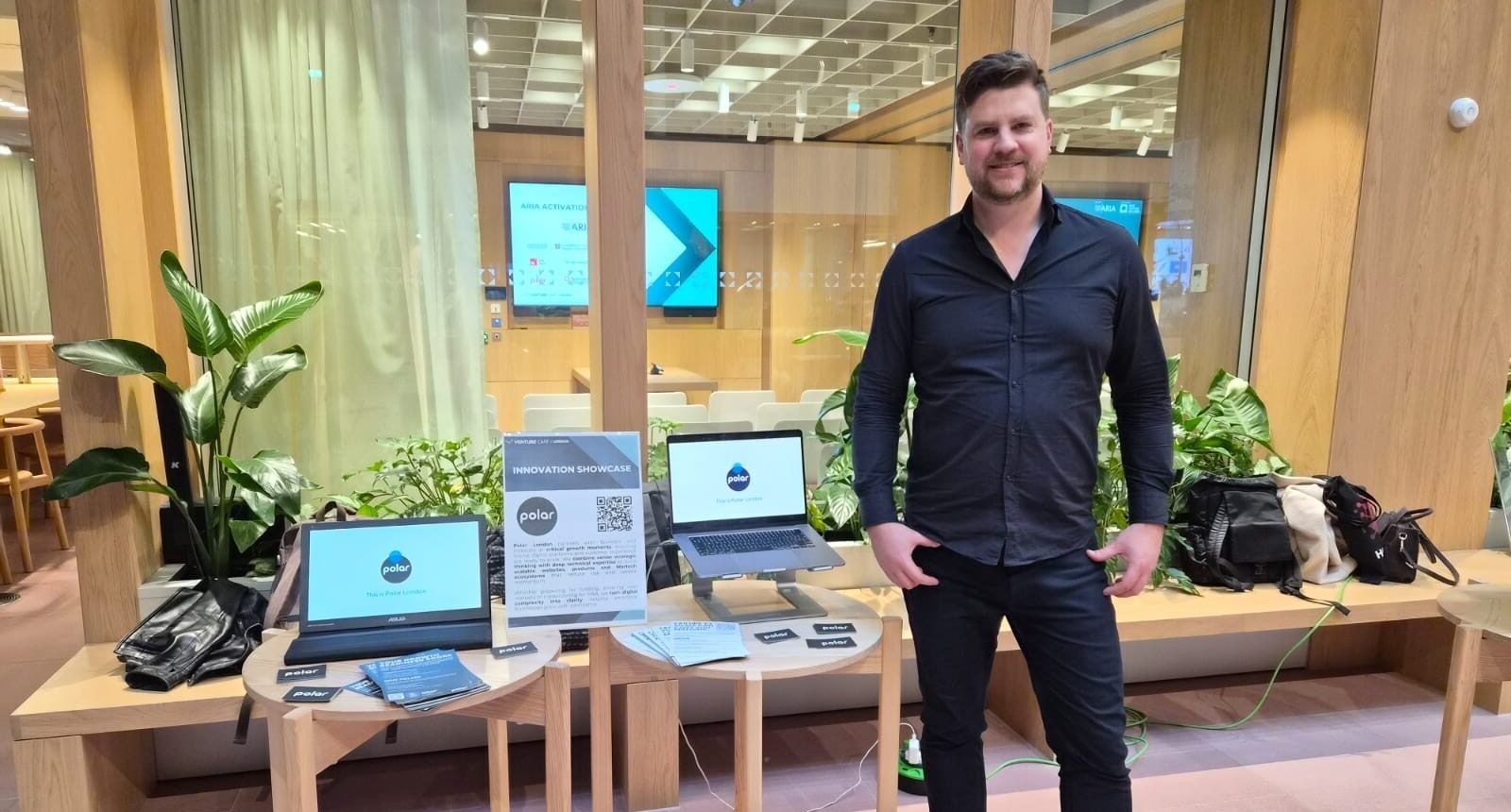
There’s no real shortcut here, here are some founder lessons scaling a business.
The biggest realisation I’ve had building Polar is that consistency compounds.
Showing up. Doing what you said you’d do. Following through. Repeating that over time.
It’s not particularly glamorous, but it’s what builds trust, reputation, and ultimately a business.
In the early days, that’s what drove everything. Hard work, referrals, and genuinely looking after clients. That still matters, more than most people admit.
But it does hit a ceiling.
At some point, you realise the business is relying too much on you, your energy, your network, your ability to keep pushing.
And that’s where things need to change.
You have to build something that can grow beyond you
This has probably been the most uncomfortable shift.
Moving from doing the work, to building the system that allows the work to scale.
For us, that shift became very real last year when we were approached around a potential acquisition. Those conversations are still ongoing, so I’ll keep it light on detail, but it forced a different level of thinking.
Not just about growth, but about value.
- How does the business operate without being dependent on one person?
- Where are the assets?
- What makes this something investable, scalable, and resilient over time?
It pushed us to step back and ask harder questions:
- Where does growth actually come from?
- What is repeatable?
- What breaks when we grow too quickly?
We’re now investing in what we call our growth engine. Not as a marketing tactic, but as a foundation for how the business develops over time, and how we prepare for those kinds of conversations as they arise again.
Because if everything depends on the founder, it’s not really a business yet. It’s just a very demanding job.
And if you’re thinking longer term, about investment, partnership, or exit, that distinction matters more than you expect.
Creativity alone isn’t enough, and neither is performance
If you’re building in this space, you’ll feel this tension every day.
Creativity gets attention. Performance drives decisions.
But neither works in isolation.
Creativity without commercial impact is decoration. Performance without engagement struggles to scale.
The real value sits in the middle, where what you create actually connects with people and drives outcomes.
That balance is getting harder.
AI is accelerating delivery. In-house teams are stronger. A lot of execution is becoming commoditised.
Which means what clients are really looking for now is judgement.
Not just ideas or output, but the ability to make the right call when things are unclear or high pressure.
That’s something I’ve learned over time, and something we’ve built Polar around.
Most businesses measure the wrong things
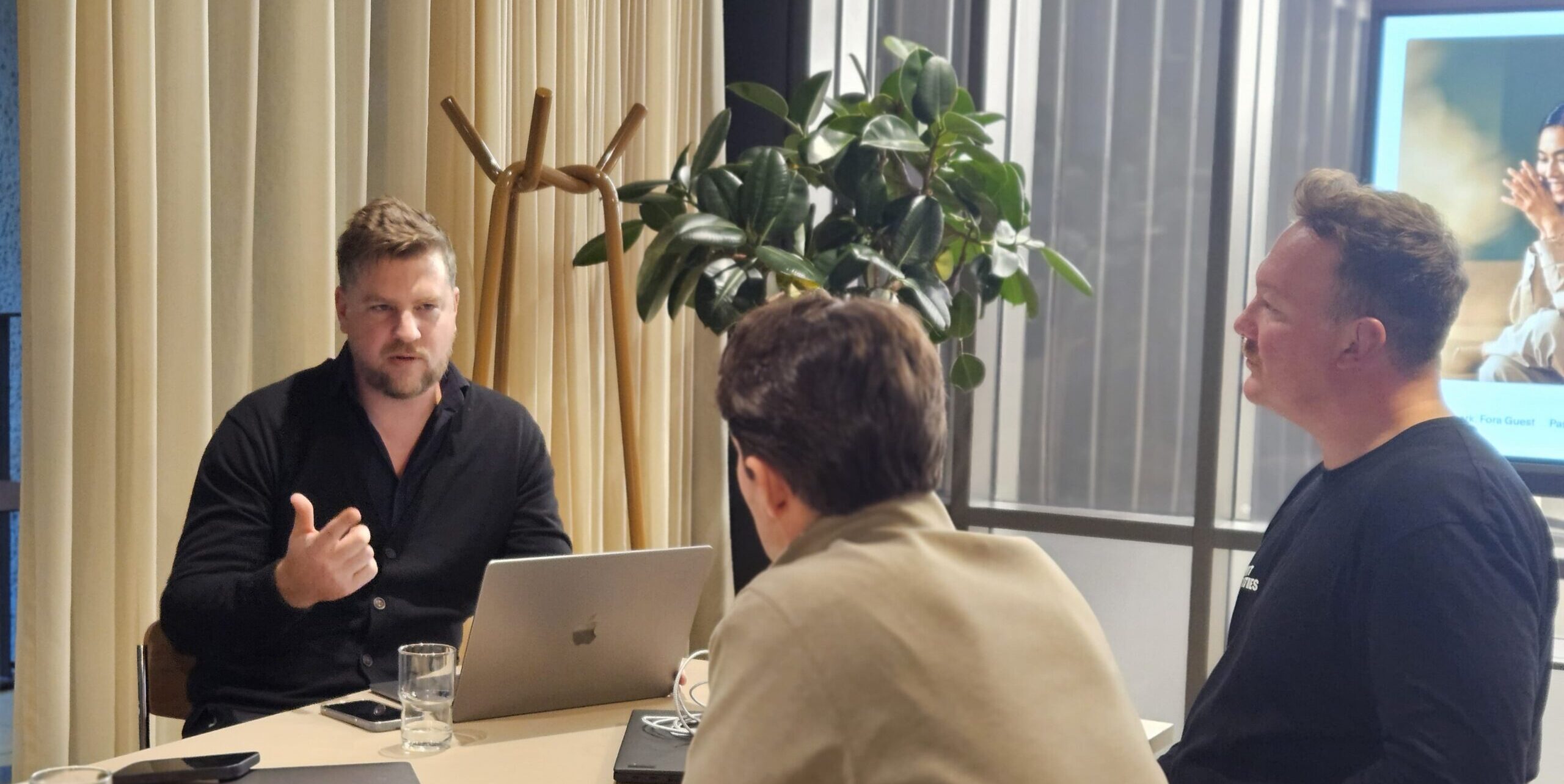
Some founder lessons learnt scaling a business – This is something I see constantly.
Success being reported through isolated metrics that don’t reflect what’s actually happening in the business.
Traffic looks good. Engagement is up. Campaigns are “working”.
But revenue isn’t moving in the right way. Or the experience is still broken. Or the business isn’t aligned internally.
We’ve taken a different approach.
We focus on three things:
- Growth
- Customer experience
- Long-term direction
Because that’s what actually matters.
It often means having more strategic conversations, sometimes at board level, and sometimes pushing back on what’s being measured.
But when everyone is aligned on what success looks like, decisions get easier and outcomes improve.
The moments that define your business are rarely the easy ones
Something I’ve become more aware of over time (through working with other amazing brands and founders) is that the most important moments in a business aren’t the steady ones.
They’re the high-pressure ones.
Fundraising. Rapid growth. Entering new markets. Preparing for M&A. Repositioning. Replatforming.
These are the points where things can accelerate, or quietly unravel.
And they’re often where founders feel the most exposed.
That’s ultimately why we’ve shaped Polar the way we have. To support businesses through those moments, where brand, product, marketing, and technology all need to work together, not in silos.
A couple of things I’d pass on, if you’re building right now
Find strong partners earlier than feels necessary.
Trying to do everything yourself might feel efficient, but it slows you down over time. The right partners bring perspective and help you avoid mistakes you haven’t made yet.
Think longer term than feels comfortable.
It’s easy to stay reactive, especially when things are moving fast. But if you’re only responding to what’s in front of you, you’re always slightly behind.
Build with intent, even when it feels early.
And finally
If there’s one thing I’m certain of, it’s that there isn’t a fixed way to build a business.
We launched Polar during the pandemic. We moved away from a physical studio. Now we’re opening one again. A reminder that there isn’t a fixed model. You adapt as you grow.
The industry evolves. You adjust.
You make decisions with the best information you have at the time, and you keep moving.
It’s not linear. It’s not always clear. And it definitely isn’t easy.
But if you surround yourself with the right people, stay consistent, and build something you genuinely believe in, it’s worth it.
If you’re interested in hearing more about my journey as a founder, you can check out my LinkedIn profile and hit follow, feel free to get in touch directly through out contact page.