Sifted Summit 2026 takeaways and the work behind growth
By Alex Birch, Founder and CEO, Polar London
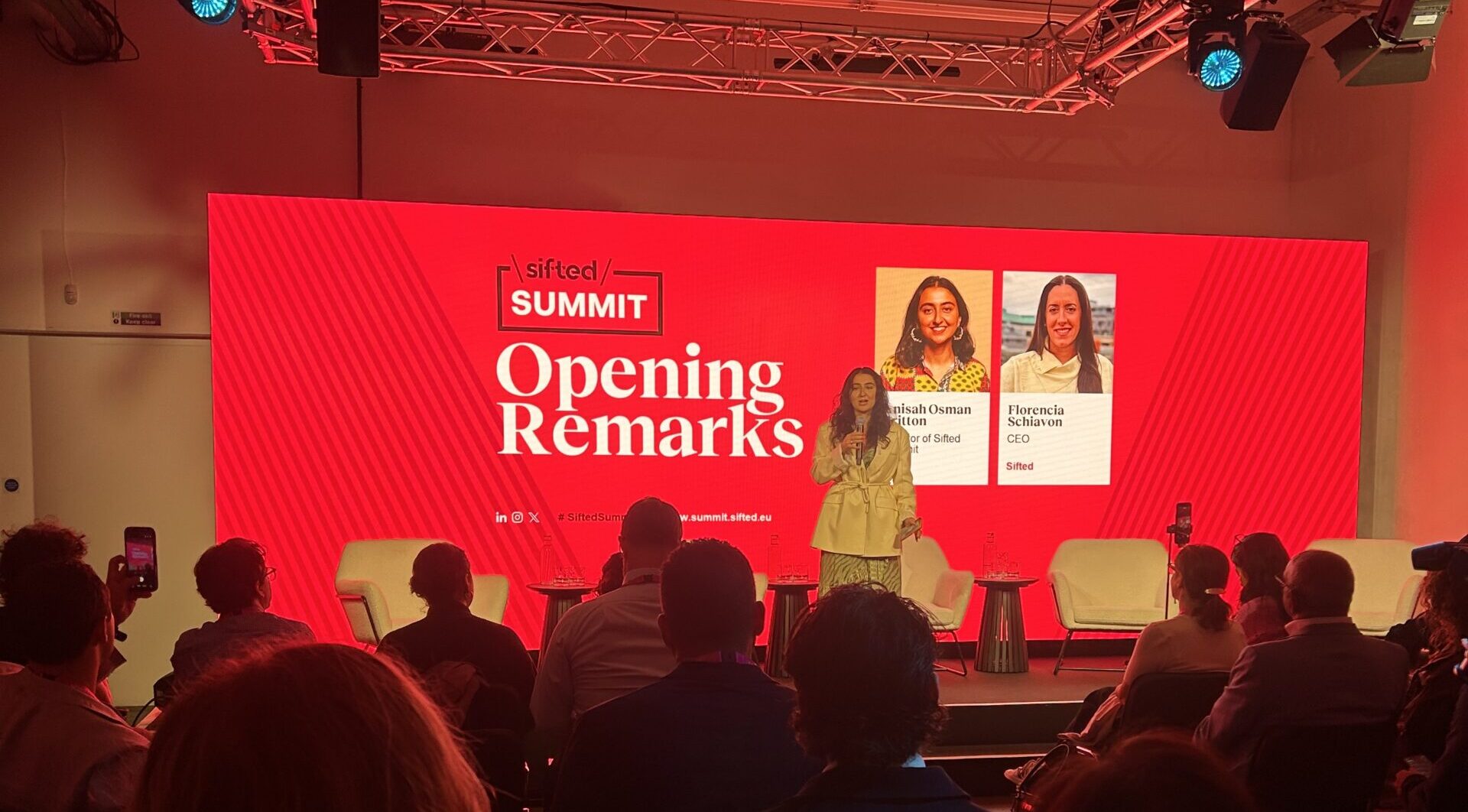
Sifted Summit 2026 takeaways
Conversations about European funding, AI and acquisitions kept bringing me back to one question: how do you turn an ambitious growth plan into a business that can deliver it?
There was plenty of optimism. But the sessions that stayed with me explored the difficult work behind growth: finding the right investment partners, combining businesses and entering markets with different customer expectations.
For founders, leadership teams and investors, these decisions have consequences well beyond the boardroom. They change how teams work and how customers experience the business. Here are the ideas I took away.
Capital needs a credible plan behind it
The discussion on Europe’s growth funding problem highlighted the challenge of financing businesses as they reach later stages. Market fragmentation, competition for talent and access to larger pools of capital all featured. British Business Bank’s Small Business Finance Markets Report 2026 provides UK context, highlighting the importance of equity finance for scale-ups and a decline in investment during 2025.
My takeaway was the importance of showing how the next stage will work. An international expansion plan, for example, needs to account for the systems, people and customer journeys required to support it. Otherwise, funding can accelerate problems alongside growth.
That makes digital decisions commercially important earlier than some businesses expect. Can the platform support another market? Can leadership trust the data? Where will manual work become a bottleneck? Our Series B platform readiness checklist explores these questions in more detail.
The founder still has to own the story
The fundraising discussion reinforced the value of a founder who can explain what they have learnt from customers and how that learning has changed the business.
That feels particularly relevant when AI can help produce a polished deck so quickly. The founder still needs to own the reasoning: why this opportunity, why now, and what evidence supports the next step? A clear account of the risks belongs in that story too.
There is a useful lesson for brand and communications here. A strong proposition should make the business easier to understand and give people confidence in its direction. Design can sharpen that story, but the substance has to come from the business.

An acquisition needs a plan for life after the deal
The build-or-buy session was a standout for me. The discussion returned to a sensible starting point: agree what you want to achieve, then consider the different ways to get there. An acquisition is one option.
Buying a business might bring access to technology, talent or a new market. Realising that value requires decisions about how the businesses will operate together, including where they should remain independent. Our work with Lumon Pay illustrates the challenge: bringing four distinct brands into one cohesive online presence, then supporting its continued digital evolution.
For the digital estate, the questions become very practical. Which platforms stay? How will customer data move between systems? What happens to overlapping brands and products? Who owns the customer journey when it crosses both businesses?
Those decisions affect the experience people have every day. A customer may encounter two websites with different promises, or find themselves passed between teams using disconnected systems. Meanwhile, duplicated tools and manual processes can undermine the efficiencies the deal was meant to create.
My view is that digital integration deserves attention while the value creation plan is being shaped. Establishing dependencies, ownership and priorities early gives teams a better chance of delivering the intended benefits after completion. Bain’s 2024 research on technology M&A reinforces the importance of planning and investing in product integration to realise the value anticipated from a deal.
AI makes clarity more valuable
The AI conversations ranged from investment opportunities to infrastructure costs and applications in the physical world. They also raised a familiar tension: the ability to build faster creates more choices for businesses and their competitors. It echoes our London Tech Week 2026 takeaways on connecting AI adoption to customer needs and commercial outcomes.
For me, that strengthens the case for clear product and technology decisions. Before adding an AI feature or rebuilding a service, understand the customer problem, the data it needs and what it will take to operate reliably.
Speed is valuable when the direction is sound. Teams also need to consider how usage affects cost and how dependent the service will become on a particular provider. Those choices can shape the economics long after the first release.
International growth needs milestones beyond launch
The session on expanding into new markets emphasised defining success before entering them. That resonated with me because a launch date can easily become the focus while the harder questions remain unresolved.
Localisation reaches beyond translating a website. The proposition needs to make sense to the audience, the product needs to meet local expectations, and marketing, sales and operations need a shared view of what happens next.
A useful milestone might be proving that customers understand the offer, complete a key journey or receive the support they need. Agreeing those measures gives teams evidence to guide the next investment. Our work with Littlepay shows how improving UX, simplifying Martech and enabling more flexible content publishing can lay the foundations for international growth.
Making ambition deliverable
I left Sifted Summit encouraged by the ambition in the room, and thinking about the work needed to support it. Funding, acquisitions and market expansion each create a moment when weaknesses in the customer experience or technology become harder to ignore.
At Polar, that is where we see the value of bringing creative thinking and senior technical judgement together.
Connecting the brand promise to the product, platforms and day-to-day experience helps a business carry its ambition through to delivery.
For leaders planning their next stage of growth, I would start with one question: where is the gap between what we want to achieve and what our business can support today?